
Preparing Your Landscape Lighting for Winter
Essential Tips for Year-Round Beauty
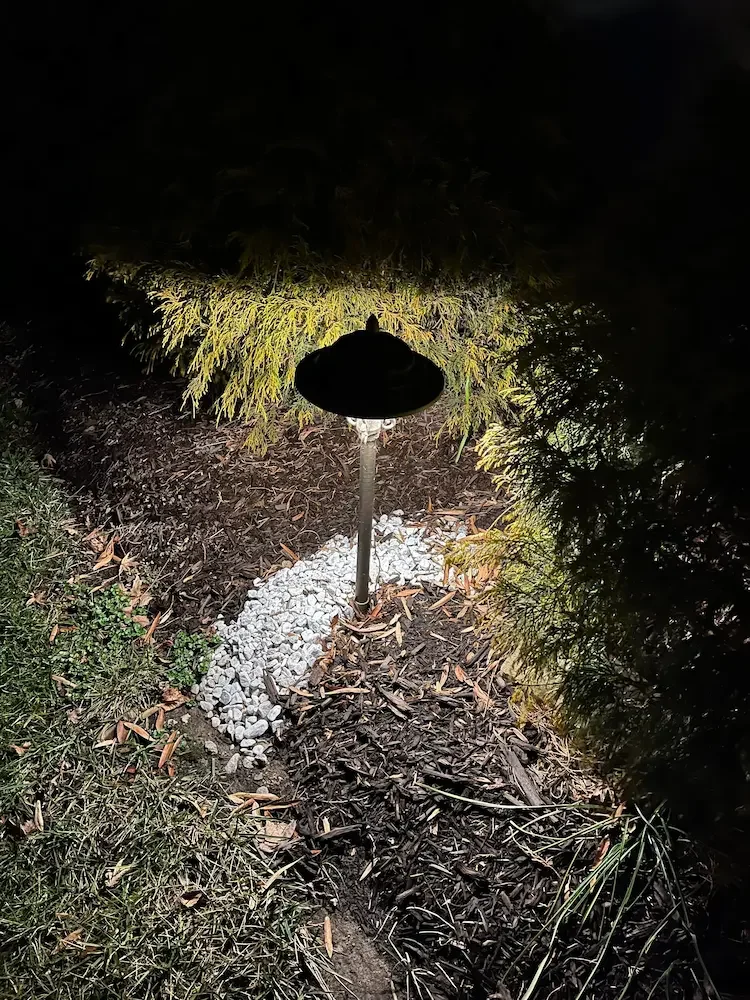
Living in Northern Virginia, it’s important to prepare your landscape lighting to ensure it continues to shine brightly through the cold weather. Not only will properly maintained lighting enhance the beauty of your outdoor spaces year-round, but it can also help protect your investment and prevent costly repairs. In this post, we’ll guide you through essential steps for preparing your landscape lighting for winter, from routine maintenance to winterization tips that can help your system survive the colder months.
Why Winterizing Landscape Lighting Matters
Outdoor lighting systems face harsh conditions during the winter, including freezing temperatures, snow, and ice. If you don’t take steps to protect your lights, wires, and fixtures, they can be damaged by the elements. Winterizing your outdoor lighting system not only ensures its longevity but also keeps your home safe and well-lit during the darker months. Proper maintenance now can save you time and money come spring.
1. Inspect and Clean Your Landscape Lighting Fixtures
Before the first snowfall, take the time to inspect and clean your lighting fixtures. Dirt, dust, and debris can accumulate in the lights over time, reducing their effectiveness. Cleaning your fixtures ensures they shine brightly and can help you identify any early signs of wear and tear.
Turnoff the power: Always make sure your lighting system is turned off before you begin any cleaning.
Clean lenses: Gently wipe the glass lenses of your lights with a soft cloth to remove dirt or cobwebs.
Check for damage: Inspect the fixtures for any cracks or chips, which could allow moisture to seep in and cause damage when frozen.
2. Protect Your Landscape Lighting Cables and Wires
Exposed wires can be particularly vulnerable during winter. Freezing temperatures can cause the insulation to crack or degrade, leaving the wiring exposed and susceptible to damage. Here are a few ways to protect your wiring:
Bury wires deeper: If your wiring is not buried deep enough, consider digging up the wires and placing them deeper in the ground, or covering them with mulch or protective material.
Use wire covers: Consider using protective cable covers to insulate and shield the wiring from extreme cold.
Check for wear: Inspect wires for any visible fraying or damage. Replace any worn-out wires to avoid electrical hazards and ensure your system works properly.
3. Adjust Landscape Lighting for Winter
Landscape lighting is often positioned to showcase your garden’s beauty in the warmer months. As seasons change, so does your outdoor environment. Winter can drastically alter the landscape, especially with snow, so adjusting the positioning of your lights might be necessary.
Lower the lights: Snow buildup can block the light’s path or diminish the effect. Lowering fixtures slightly can help them shine through.
Reposition fixtures: If your lights are aimed at foliage or trees, they may not be effective once the leaves are gone. Adjust the angles of the lights to highlight other elements like architectural features or statues.
4. Invest in LED Lights for Energy Efficiency
Winter months often require longer hours of lighting. If you haven’t already upgraded to LED outdoor lighting, now is the perfect time to do so. LED lights are more energy-efficient, which means they use less power to generate the same amount of light as traditional bulbs, saving you money on your electric bill. Additionally, LED lights are more durable and can handle extreme temperatures better than incandescent bulbs.
5. Winterize Smart Lighting Systems
If you have a smart outdoor lighting system, it’s important to ensure that it’s winter-ready. Smart lighting systems offer the convenience of automating lighting schedules and controlling lights remotely. To avoid malfunctions in winter:
Check connectivity: Ensure your smart system is properly synced with your mobile device and the home automation system.
Adjust schedules: Modify your lighting schedules for shorter daylight hours.
Ensure protection: Ensure your smart devices, like sensors and timers, are protected from rain or snow. If possible, place these devices in weather-resistant enclosures or areas.
6. Test and Replace Any Faulty Fixtures or Bulbs
Before the weather turns too cold, do a full test of your lighting system. Turn on each light to ensure they are functioning properly. If you notice any dead bulbs or flickering lights, replace them now to avoid scrambling for replacements in the middle of a snowstorm. Outdoor-rated bulbs are designed to handle the cold, so make sure to use bulbs specifically intended for landscape lighting.
7. Set Up a Maintenance Schedule for Spring
While you’re winterizing your system, it’s also a good idea to set a maintenance schedule for spring. Your landscape lighting system will need a full check-up once the weather warms up, and planning ahead can help you stay on top of necessary repairs and upgrades. Some of the tasks to include in your spring maintenance checklist are:
Checking for any water damage or corrosion.
Replacing any weathered components.
Testing the functionality of your system after being exposed to winter weather.
8. Consider Professional Winterization Services
If you’re unsure about winterizing your landscape lighting yourself or want to ensure the job is done right, consider hiring a professional. Experienced lighting designers and electricians can ensure your system is fully protected and provide additional tips for maintenance. Working with a professional also means your lighting system is properly adjusted to meet the demands of the winter months.
Winterizing your landscape lighting system may seem like a small task, but it can go a long way in preserving the aesthetic and functionality of your outdoor space throughout the year. By following these steps, you’ll ensure your outdoor lighting continues to shine during the cold months while maintaining its quality and longevity.
Need help preparing your landscape lighting for winter?
Contact us to schedule a consultation with one of our experts who can help winterize your system and keep it looking great all year long.
By following these tips and ensuring your system is well-prepared, you can enjoy beautiful and functional outdoor lighting, even through the coldest months.
FAQs
How do you winterize landscape lighting in Northern Virginia?
To winterize landscape lighting, inspect and clean fixtures, protect or rebury exposed wires, adjust fixture angles for snow coverage, replace damaged bulbs, and ensure smart lighting systems are weather-protected. Professional maintenance is recommended for larger luxury properties.
Can freezing temperatures damage outdoor lighting?
Yes. Freezing temperatures can crack fixture lenses, damage wiring insulation, and allow moisture intrusion. Ice and snow buildup may also shift fixture positioning or strain exposed cables.
Should landscape lighting stay on during winter?
Yes, but schedules should be adjusted for shorter daylight hours. Smart lighting systems allow homeowners to automate on/off times to maximize energy efficiency while maintaining safety and curb appeal.
Are LED landscape lights better for winter?
Yes. LED outdoor lighting performs better in cold temperatures than traditional incandescent bulbs. LEDs are more energy-efficient, longer-lasting, and more durable in freezing conditions.
How deep should landscape lighting wires be buried?
Low-voltage landscape lighting wires are typically buried 6–12 inches underground. In colder climates like Northern Virginia, ensuring proper depth helps prevent freeze-related damage.
