
How to Know if You Should Repair or Replace Outdoor Lighting
If It’s Not Broken, Don’t Fix It (But Let’s Be Honest About What “Broken” Really Means)
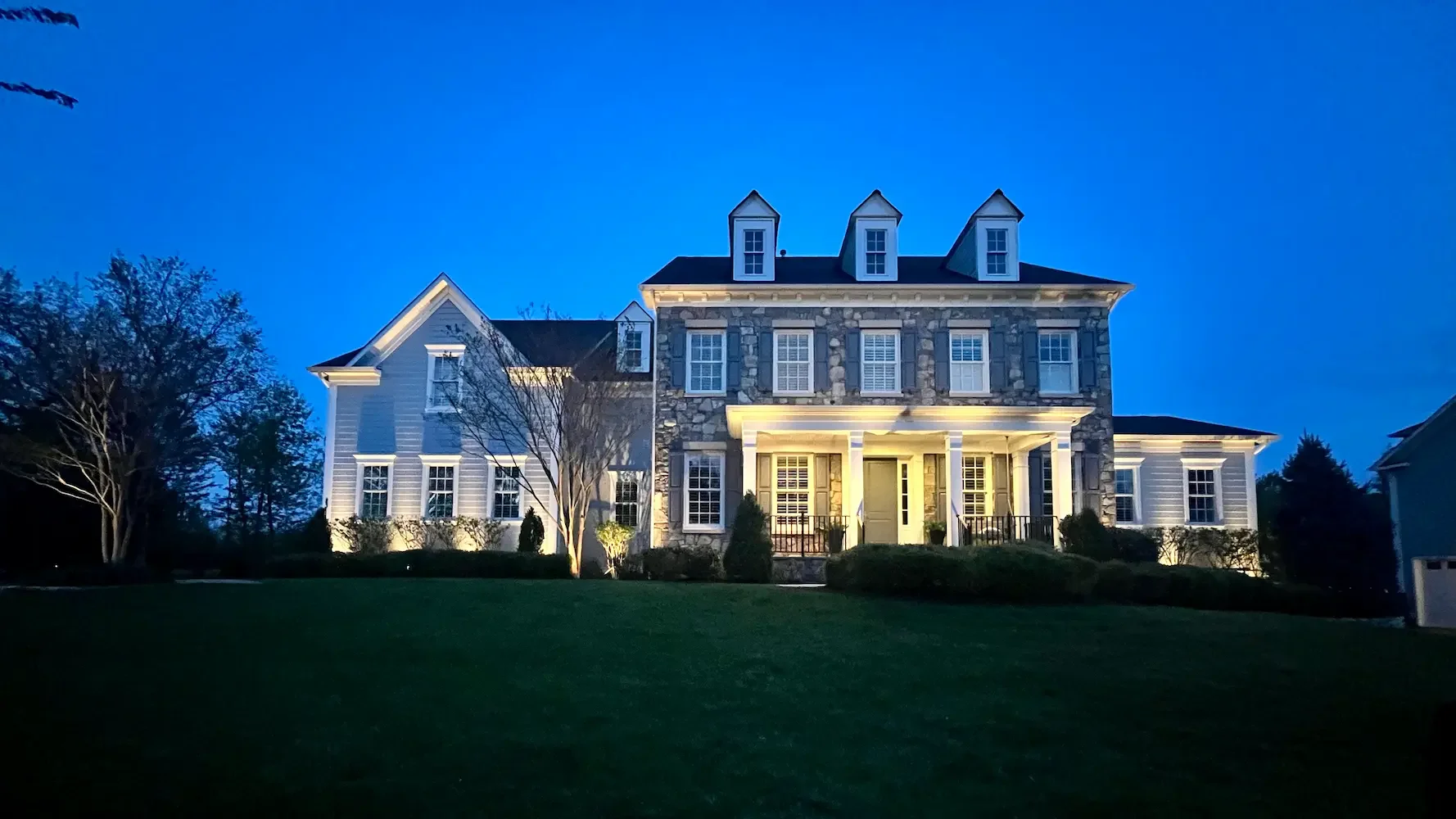
One of the phrases we say most often to clients is a simple one: if it’s not broken, don’t fix it.
That might sound strange coming from a company that designs and installs custom outdoor lighting systems across Loudoun County and Fairfax County. But it’s true. If something is working well, doing what it’s supposed to do, and meeting your needs, there’s usually no reason to rip it out just because something newer exists.
Where this gets interesting is when a client calls us because their landscape lighting isn’t working.
When Outdoor Lighting “Stops Working”
Sometimes the issue is simple:
A blown bulb
A fixture that’s been knocked out of alignment
A minor wiring issue
Other times, a quick diagnostic tune-up brings the entire system back to life.
And sometimes—unfortunately—the system has reached the end of its useful life.
A Costly Lesson From a Great Falls Estate
We recently shared a case study about a large estate in Great Falls, VA where a high-end, professionally installed outdoor lighting system had simply not been maintained.
Trees grew. Wiring shifted. Fixtures were slowly absorbed into the landscape. Over time, the system became unsalvageable. What could have been addressed with periodic lighting maintenance turned into a full replacement.
That’s a painful (and expensive) lesson—and one we work hard to help our clients avoid.
Not Every Outdoor Lighting Problem Requires a Full Replacement
A great example is a smaller backyard project we completed recently in the Percival / western Loudoun County area.
The homeowner had roughly a dozen lights around a paver patio:
Small uplights in trees
Short bollard-style path lights
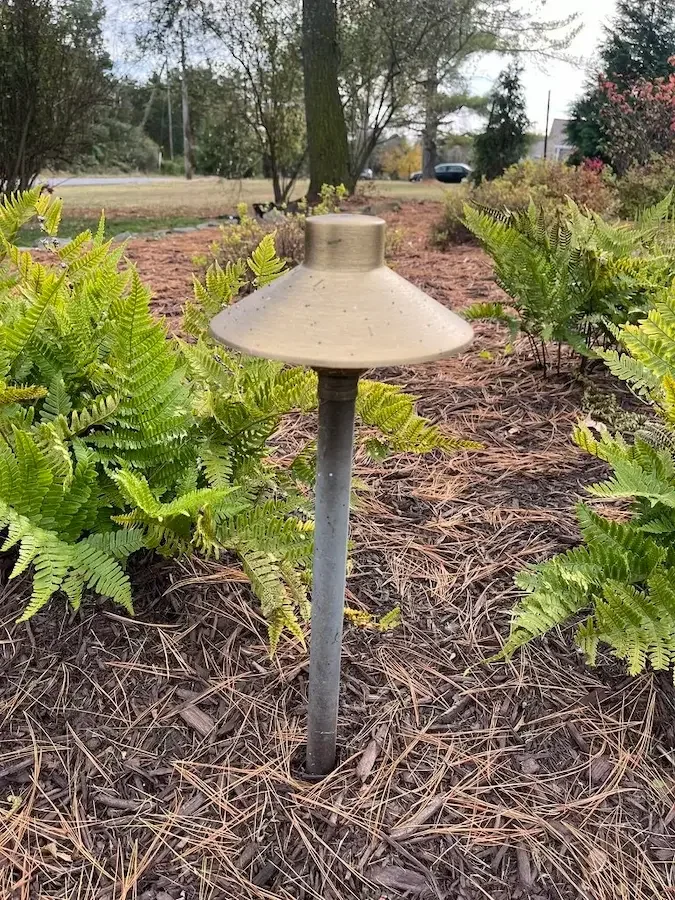
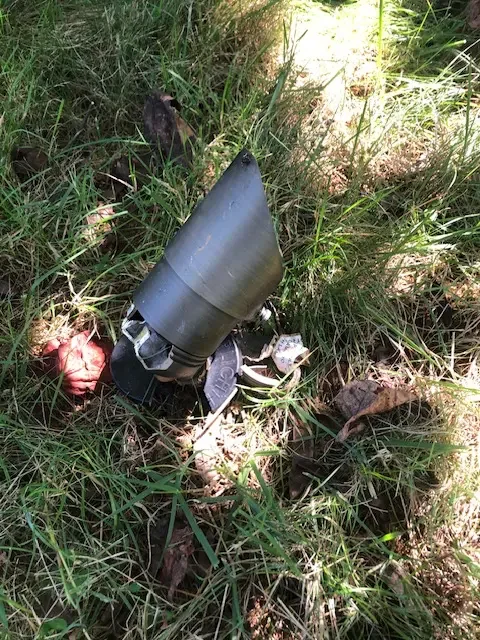
All of it was retail-grade plastic lighting, likely installed by a previous homeowner over a weekend.
It worked… until it didn’t.
By the time we arrived, the system was completely out. The homeowner was also upfront that they planned to move within two years and didn’t want to make a major investment.
That context matters.
Our Diagnostic Approach: Repair First, Replace Only If Needed
We tested the system and found that the transformer was still working—so we didn’t replace it.
The primary issues were:
Burned-out bulbs
Failed connections
Common “shark-bite” connectors that pierce wire insulation
Those connectors are quick and easy, but they’re not watertight. Over time, they corrode—especially in Northern Virginia’s climate.
We recommended a one-hour outdoor lighting diagnostic and tune-up before jumping to replacement.
Once we confirmed the fixtures themselves still functioned, we:
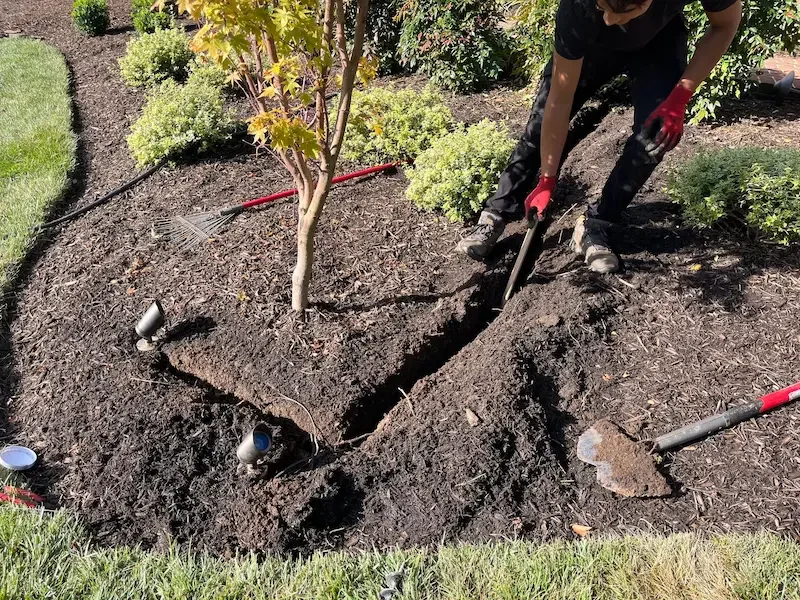
Rewired the system using new wire
Installed proper watertight connections
Corrected visible wiring that had been draped across the pavers
Lifted and reset patio stones to bury wiring correctly
The Result: Functional, Reliable Lighting—At Half the Cost
The end result?
All the lights working again, properly installed, and ready to last for the remainder of the homeowner’s time in the house—and beyond. And it cost about half of what a full replacement would have.
Would we prefer professional-grade brass or copper fixtures? Absolutely.
But our job isn’t to force a preferred solution. Our job is to help homeowners in Loudoun County, Fairfax County, and surrounding areas make informed decisions based on their goals, timeline, and budget.
Sometimes that means replacing everything.
Sometimes it means fixing what’s there.
And sometimes it just means being honest about the tradeoffs.
That’s what “if it’s not broken, don’t fix it” really means.
FAQs
How do I know if my outdoor lighting system can be repaired?
A professional diagnostic is the best first step. Many issues—burned bulbs, failed connectors, minor wiring problems—can be repaired without replacing the entire system.
When should outdoor lighting be replaced instead of repaired?
Replacement may be necessary if the wiring has deteriorated extensively, fixtures are beyond repair, or the system hasn’t been maintained for many years and is no longer salvageable.
Is it worth repairing retail-grade landscape lighting?
In some cases, yes—especially if you plan to move soon or want to extend the life of the system temporarily. Repairing can be a cost-effective short- to mid-term solution.
How often should outdoor lighting be maintained?
We recommend periodic maintenance every 12–18 months. Routine tune-ups can significantly extend the life of your lighting system and prevent costly replacements.
