
DIY Landscape Lighting?
Why Even Knowledgeable Homeowners Benefit from Professional Installation & Safety Checks
Not every customer calls us because they want a new landscape lighting design.
Sometimes, they call because they already know exactly what they want.
We recently worked with a homeowner who had installed their own landscape lighting system many years ago. They were knowledgeable, thoughtful about product selection, and had designed a system that served them well for a long time. Over the years, a handful of tree-mounted spotlights reached the end of their useful life and needed to be replaced.
The homeowner knew this. They knew the brand. They knew the fixture model. They knew how many replacements were needed and where they should go. In fact, they had already procured the fixtures themselves and simply wanted a reputable professional to remove the old ones and install the new versions in the exact same locations.
This was not a design problem. It was an execution problem.
And it was one we were happy to solve.
Why a Knowledgeable DIYer Still Calls a Professional
The homeowner was candid about why they reached out. When they originally installed the system, they had no problem digging, kneeling, trenching, and making connections. Years later, that kind of physical work was no longer appealing—or practical.
They didn’t want to experiment. They didn’t want a redesign. They wanted someone experienced, careful, and trustworthy to come in and do the work cleanly.
That’s an important distinction. Hiring a professional doesn’t always mean you’re outsourcing thinking. Sometimes, you’re outsourcing execution—and accountability.
What Professionals Check—Even on Simple Landscape Lighting Jobs
Even when a customer has done most of the thinking already, we don’t skip our process.
Before replacing a single fixture, we checked:
The condition of the underground wiring
Whether there was corrosion present
Voltage at each fixture location
Everything checked out, and the fixture replacement itself truly was a straightforward, like-for-like swap.
But that’s not where the story ends.
The Hidden Safety Issue Most DIYers Don’t See
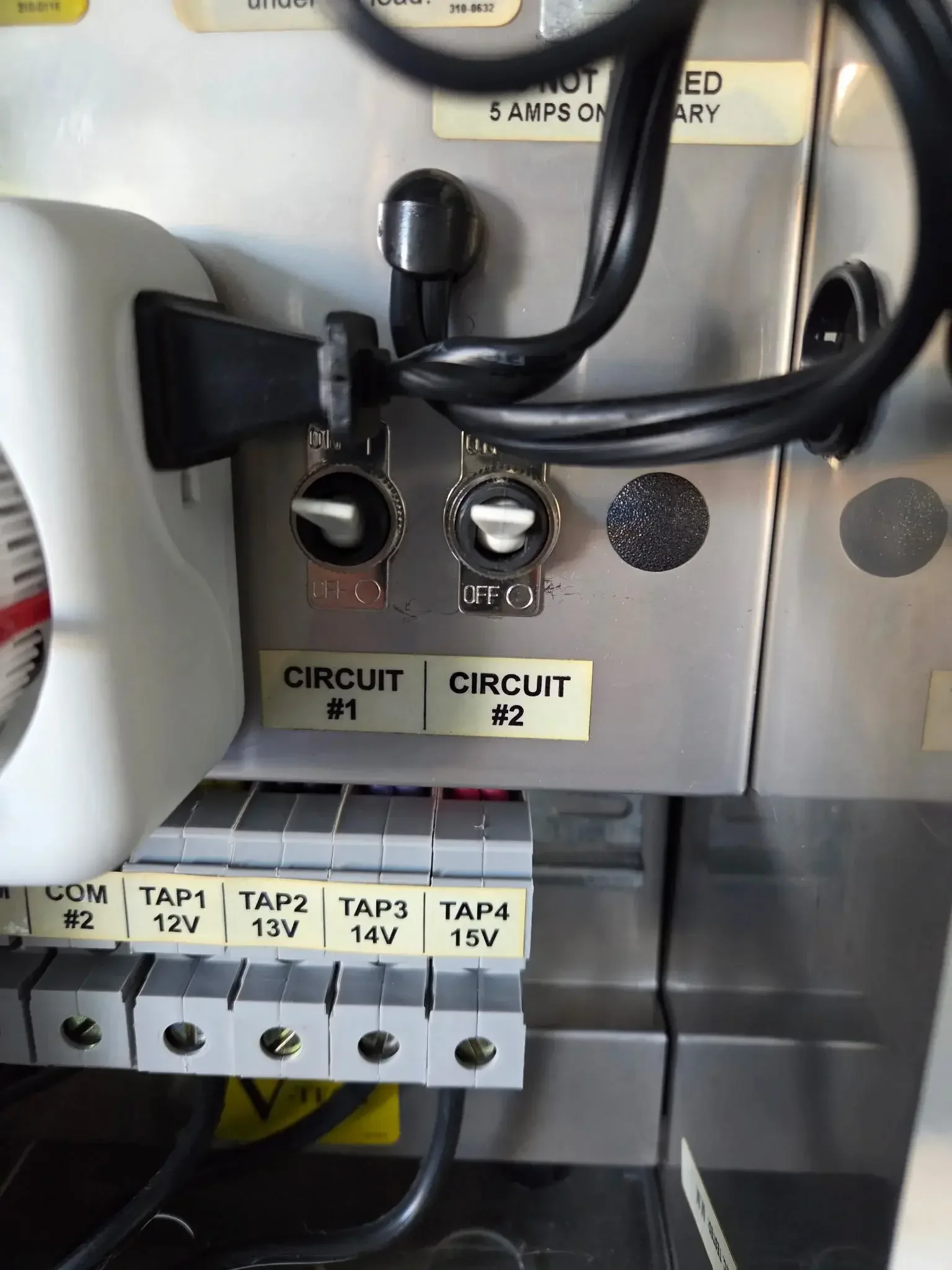
As part of our standard approach, we also inspected the transformer. This homeowner, despite their experience, had overlooked one critical detail: the transformer’s timer configuration was preventing the breaker from tripping.
In effect, the system was forced into the “on” position, and its safety override could not function as intended.
That’s not just a technical nuance—that’s a legitimate safety issue.
We explained the situation, corrected the configuration, and restored proper breaker operation. The homeowner was grateful, and frankly relieved. It was a reminder that even knowledgeable DIYers can miss things—especially components that are out of sight and rarely interacted with.
This is where being a licensed contractor with specific training in low-voltage lighting systems matters. Our job isn’t just to install fixtures; it’s to understand how the entire system operates safely and reliably.
When a Diagnostic Visit Is Smarter Than a Redesign
A landscape lighting diagnostic visit evaluates your existing system—wiring, fixtures, voltage, and transformer—to determine whether repairs or replacements are truly needed.
If you’re reading this and thinking, “That sounds like me—I mostly know what I want, but want a professional set of eyes on it,” that’s exactly the kind of call we welcome.
👉 If you already have lighting and just want to understand whether it can be repaired, refreshed, or safely improved, start with a diagnostic visit rather than a redesign. It’s often the most cost-effective and informative first step.
This Isn’t an Isolated Philosophy
We’ve written about this approach before.
In one case, detailed in our Great Falls Estate lighting case study, a lack of ongoing maintenance turned a once high-end system into one that was no longer salvageable. In another, at Fair Oaks Mall, careful coordination and professional oversight were critical even though the project scope was well-defined and tightly constrained.
Different environments. Different scales. Same principle.
Professional value isn’t always about proposing something new. Sometimes it’s about protecting what already exists—and making sure it’s safe.
The Outcome: A Safe, Fully Verified Lighting System
In this homeowner’s case, the fixtures were replaced cleanly, the wiring was verified, the safety issue was resolved, and the system was restored with confidence. The homeowner saved money by supplying their own fixtures, avoided unnecessary upgrades, and left the project knowing the system was not just functional—but safe.
That’s a good outcome.
Already have landscape lighting installed?
If you’re confident in what you want but want a professional to verify safety, wiring, and execution, a diagnostic visit is often the smartest first step.
Schedule a Landscape Lighting Diagnostic Visit →
FAQs
Do I need a professional if I already know what landscape lighting fixtures I want?
Often, yes. Even when fixture selection is clear, a professional verifies wiring integrity, voltage balance, corrosion, and transformer safety—critical factors that affect system performance and longevity.
Can Loudoun Lighting install landscape lighting fixtures I’ve already purchased?
In many cases, yes. We regularly work with client-supplied fixtures when they are compatible and appropriate for the application, while still applying professional installation and safety standards.
How do I know whether my system needs a repair, a tune-up, or a full replacement?
That’s exactly what a diagnostic assessment is for. As discussed in our repair-vs-replace blog, understanding the condition of wiring, fixtures, and transformers is the only way to make an informed decision.